In Cambridge, we frequently see contractors struggling with fill that looks solid on the lift but fails density testing two days later. The culprit is often the moisture content relative to optimum, a relationship that only a proper Proctor test can establish. The glacial till deposits along Highway 24 and the silty sands near the Grand River floodplain each have their own compaction curves, and guessing at them leads to costly rework. Our laboratory runs both Standard Proctor per ASTM D698 and Modified Proctor per ASTM D1557, giving you the target dry density and optimum moisture content for your specific borrow source. Whether the material comes from a pit near Blair or from on-site excavation in Hespeler, we match the compaction effort to the structural requirement, from residential footings to heavy industrial floor slabs. The test itself takes material passing the No. 4 or 3/4-inch sieve, applies controlled energy in a standard mold, and determines the peak of the moisture-density curve, the single most important number for your fill specification.
A Proctor curve is not a generic number you pull from a textbook—it belongs to the specific pit and haul you are placing that week.
Scope of work in Cambridge Ontario
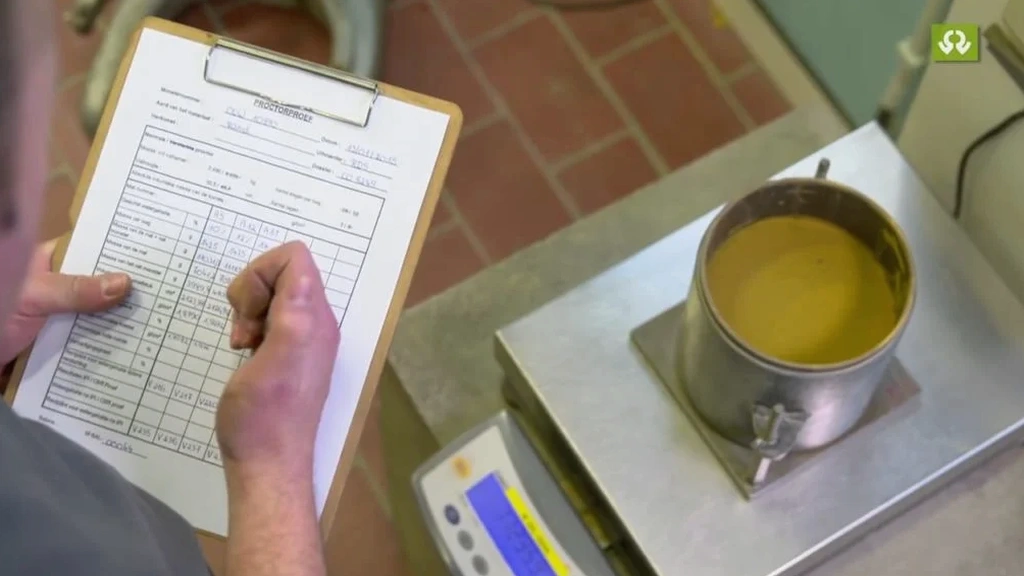
Field demonstration
Critical ground factors in Cambridge Ontario
The most common mistake we see on Cambridge sites is using a single Proctor curve for an entire subdivision when the fill source changes between phases. A borrow pit on the east side of the 401 can produce material with an optimum moisture three percentage points different from material on the west side, and the same compactive effort will yield completely different field densities. Contractors who skip re-testing end up with nuclear gauge readings that look like failures when the real problem is the wrong reference standard. Another frequent issue is placing fill at moisture contents well above optimum, especially in spring and fall when the silty soils around the Grand River hold water. Compacting wet of optimum works up to a point—typically 2 to 3 percent over—but beyond that the soil remolds under the roller, trapping pore pressure that bleeds out later as settlement under floor slabs. For engineered fill beneath footings or structural slabs, we recommend Modified Proctor as the reference standard, because Standard effort underestimates what modern vibratory rollers actually deliver, and specifying 95% of a low-energy standard leaves capacity on the table that you are already paying for in compaction passes.
Our services
We provide Proctor testing as a standalone laboratory service or integrated into a broader construction QA/QC program. Each test report includes the full moisture-density curve with plotted data points, the zero-air-voids curve, and a clear statement of maximum dry density and optimum moisture content. Turnaround is typically 24 to 48 hours from sample receipt, and we can handle batches of up to 12 samples simultaneously for large earthworks projects.
Standard Proctor (ASTM D698)
Suitable for residential subdivisions, landscaping fill, and utility trench backfill where compaction is achieved with light equipment. We determine the reference density at 12,400 ft-lbf/ft³ compactive effort, providing the benchmark for field density testing with nuclear gauges or sand cones. Recommended for fill lifts up to 200 mm with cohesive soils and low-rise structural fill.
Modified Proctor (ASTM D1557)
Required for highway embankments, industrial building pads, and structural fill beneath heavily loaded footings and slabs-on-grade. The 56,000 ft-lbf/ft³ effort simulates the energy delivered by modern 12-tonne vibratory rollers. We produce the complete curve with five moisture points, report peak density and optimum moisture, and advise on acceptable field moisture windows based on the soil classification.
Common questions
When should I specify Modified Proctor instead of Standard for a Cambridge project?
Modified Proctor is appropriate whenever the structural fill will support commercial or industrial loads, highway traffic, or heavy floor slabs. In Cambridge, the native glacial till compacts to significantly higher densities under Modified effort—typically 2.05 to 2.20 g/cm³ versus 1.85 to 2.00 for Standard—and modern compaction equipment easily achieves those densities. Standard Proctor remains acceptable for residential landscaping fill and shallow utility trenches where settlement tolerance is wider.
How much does a Proctor test cost in Cambridge?
A single-point Proctor test in Cambridge typically runs between CA$160 and CA$260, depending on whether you need Standard or Modified effort and how many moisture points are required. Volume pricing applies for multi-sample projects. The cost is negligible compared to the expense of removing and replacing failed fill or repairing slab settlement.
Can you run a Proctor on material with gravel and cobbles?
Yes, but oversized particles require correction per ASTM D4718. For material retained on the 3/4-inch sieve exceeding about 10 percent by mass, we use the 6-inch diameter mold with scalp-and-replace procedures or apply a mathematical correction to the density and moisture values. In Cambridge gravelly tills, this correction is routine and prevents overestimating field relative compaction.
What happens if the fill moisture is far above optimum during placement?
Placing fill more than 3 percent wet of optimum—common with Grand River silts in spring—creates excess pore pressure that the roller cannot dissipate. The soil remolds instead of compacting, and density readings will fall below specification regardless of pass count. The fix is to aerate the material with a disc harrow or wait for drier weather. We can run a quick moisture check to confirm whether the material is within the acceptable window before you commit to placement.