Deep excavation design in Cambridge, Ontario must account for the layered glacial till, outwash sands, and the underlying Guelph Formation dolostone that characterize the region along the Grand River. The Ontario Building Code references NBCC 2015 and CSA A23.3, and both require a site-specific geotechnical investigation before any shoring or basement excavation deeper than 3 meters proceeds. Cambridge sits on variable overburden thicknesses ranging from 5 to over 30 meters, which means the design of soldier piles, secant walls, or anchored systems shifts significantly from one site to another. A CPT test often supplements borehole data here because the silty sand lenses in the Waterloo Moraine demand continuous profiling. For projects near the river or within the Hespeler core, groundwater control and lateral earth pressure calculations are not generic—they are calibrated to the local stratigraphy. The team brings that calibration to every project, ensuring excavation support drawings align with the actual ground conditions rather than textbook assumptions.
Cambridge glacial till holds its face well in the short term, but relaxation cracks develop faster than most engineers expect when the weather turns dry.
Scope of work in Cambridge Ontario
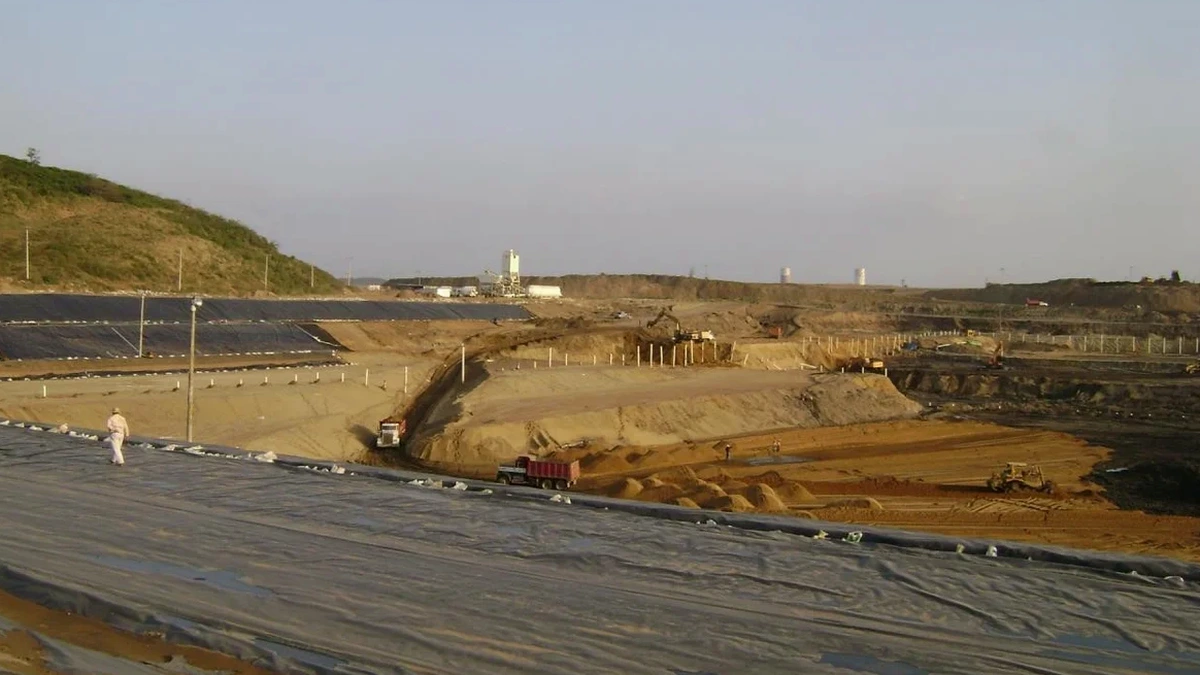
Critical ground factors in Cambridge Ontario
The glacial stratigraphy in Cambridge is notorious for abrupt lateral changes—competent Halton Till can transition into loose, water-bearing sand within 20 meters, and hitting that transition mid-excavation without a contingency design triggers costly delays. Groundwater in the lower outwash deposits is often artesian near the Grand River floodplain, meaning a simple sump pump approach fails when the piezometric surface rises above the excavation floor. Base heave is a real failure mode on deep cuts through soft varved clays in the southern part of the city. Our approach embeds a hydrogeological assessment early in the design phase and specifies depressurization wells when required. For excavations adjacent to heritage masonry buildings in Galt, vibration limits from rock hammering are set below 12.5 mm/s peak particle velocity, and pre-condition surveys are mandatory. The biggest risk is treating a Cambridge site as just another Ontario excavation—the combination of karstic bedrock, glacial variability, and urban constraints demands a design that is genuinely site-specific.
Our services
Deep excavation design in Cambridge integrates several technical services, from initial ground characterization to construction-phase monitoring. The three services below represent the core components we deliver on every project in the city.
Shoring and retention system design
Complete engineering for soldier pile and lagging, secant pile, or diaphragm walls. Includes staged excavation analysis, waler and strut sizing, and anchor design with corrosion protection per PTI recommendations.
Tieback anchor and soil nail design
Design of active and passive ground anchors in overburden and bedrock. Bond length calculations are verified by on-site pull-out and creep tests. We specify double-corrosion protection for permanent anchors in aggressive groundwater environments.
Construction-phase instrumentation and review
Installation and interpretation of inclinometers, piezometers, and survey targets. We provide written field review reports and trigger-level action plans so the contractor knows exactly when to adjust the excavation sequence.
Common questions
How much does a deep excavation design typically cost for a project in Cambridge?
For a typical mid-rise basement excavation in Cambridge, the geotechnical design package including site investigation review, shoring design, and construction-phase monitoring runs between CA$3,140 and CA$10,690 depending on depth, proximity to adjacent structures, and groundwater complexity. Sites requiring rock anchors or secant walls tend toward the upper end of that range.
What is the biggest geotechnical challenge for deep excavations in the Cambridge area?
The abrupt lateral change from Halton Till into water-bearing sand lenses is the number one challenge. You can be excavating in stiff, dry till in the morning and hit a saturated sand pocket by afternoon, which requires immediate shoring adjustments and possibly depressurization wells to prevent base instability.
Do you need a building permit for a deep excavation in Cambridge?
Yes. The City of Cambridge Building Division requires a permit for excavations deeper than 3 meters or that support adjacent public right-of-way. The submission must include stamped shoring drawings, a geotechnical design report, and a pre-condition survey of neighboring structures within the zone of influence.