Roadway engineering in Cambridge, Ontario, encompasses the full spectrum of design, construction, and evaluation processes required to build safe, durable, and efficient transportation corridors. This category is critical because the city's road network must support a growing population, heavy industrial traffic from the surrounding manufacturing hubs, and the daily commuter flow through a key node in the Waterloo Region. Proper roadway design here directly influences economic productivity, public safety, and long-term municipal infrastructure costs. From initial soil investigations to final pavement structure selection, each decision must account for the region's unique environmental and geotechnical challenges.
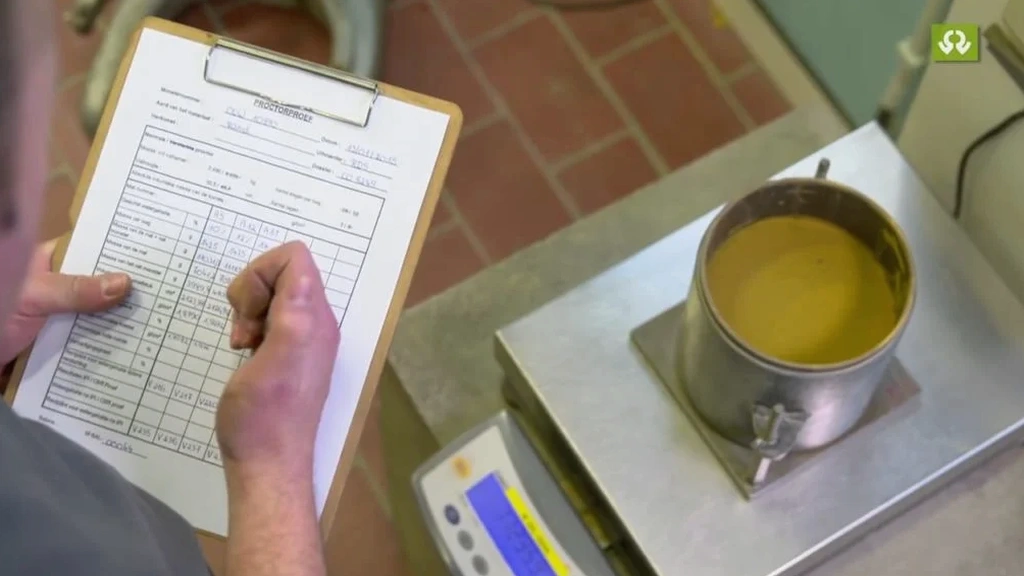
The local geology presents a defining constraint for any roadway project. Cambridge sits atop a complex stratigraphy shaped by glacial activity, featuring extensive deposits of silty clay till, glaciolacustrine silts, and occasional sandy lenses. These fine-grained soils are notoriously susceptible to frost heave during Ontario's harsh winters and can lose significant strength when saturated during spring thaw. A thorough CBR study for road design is therefore not a mere formality but an essential step to quantify the subgrade's bearing capacity and predict its behavior under seasonal moisture fluctuations. Ignoring these ground conditions can lead to premature cracking, rutting, and costly rehabilitation cycles.
Regulatory compliance in Ontario is governed by a hierarchy of standards that ensure consistency and safety. The Ontario Provincial Standard Specifications (OPSS) and Ontario Provincial Standard Drawings (OPSD) form the backbone of municipal roadway construction, while the Ministry of Transportation Ontario (MTO) guidelines influence structural design methodologies. For pavement analysis, the American Association of State Highway and Transportation Officials (AASHTO) 1993 Guide for Design of Pavement Structures remains widely referenced, supplemented by the Mechanistic-Empirical Pavement Design Guide (MEPDG) for more complex projects. Municipal bylaws within Cambridge further dictate cross-section elements, drainage requirements, and material specifications tailored to local service conditions.
This category supports a broad range of project types, each demanding a tailored approach to pavement engineering. A flexible pavement design is commonly employed for residential streets and collector roads, utilizing layered asphalt over granular bases to distribute loads effectively while accommodating minor subgrade movements. In contrast, a rigid pavement design becomes the preferred solution for high-traffic intersections, industrial access routes, and transit corridors where resistance to heavy vehicle stresses and long-term durability are paramount. The choice between these systems hinges on a detailed lifecycle analysis that weighs initial construction logistics against future maintenance demands under Cambridge's freeze-thaw cycles.
Common questions
What are the key design challenges for roadways in Cambridge, Ontario?
The primary challenges stem from the region's glacial geology and climate. Fine-grained silty clay soils are prone to significant frost heave in winter and weakening during spring thaw, which can undermine pavement structures. Designers must also manage heavy industrial traffic loads and ensure adequate drainage to prevent saturation-related failures, making thorough subgrade evaluation and seasonal performance modeling essential.
How do Ontario standards influence roadway pavement design?
Ontario Provincial Standard Specifications (OPSS) and Drawings (OPSD) set strict requirements for materials, compaction, and construction methods. The Ministry of Transportation Ontario (MTO) provides additional structural design guidance, often referencing the AASHTO 1993 method. These standards ensure designs are tailored to local environmental loads, including freeze-thaw durability and de-icing salt exposure, creating a unified framework for municipal projects.
When is a rigid pavement preferred over a flexible pavement in Cambridge?
Rigid pavement is typically selected for roadways subjected to high volumes of heavy truck traffic, such as industrial zones or major transit routes, because concrete slabs distribute loads over a wider area and resist deformation. It also offers superior longevity in freeze-thaw climates when properly jointed. The decision is based on a lifecycle cost analysis comparing initial construction with long-term maintenance under Cambridge's specific traffic and climate conditions.
What role does subgrade evaluation play in roadway projects?
Subgrade evaluation is the foundation of any durable roadway. It determines the soil's bearing capacity, moisture sensitivity, and frost susceptibility through tests like the California Bearing Ratio (CBR). In Cambridge, where glacial tills and silts are common, this data dictates the required pavement thickness, the need for subgrade stabilization or drainage improvements, and ultimately prevents structural failure from seasonal ground movement.