Foundations represent the critical interface between any structure and the ground that supports it. In Cambridge, Ontario, this connection demands particular attention due to the region's varied subsurface conditions. A properly designed foundation system does more than prevent settlement; it distributes structural loads evenly into competent soil or bedrock, counteracts uplift from frost, and isolates the building from ground movements. For local builders, developers, and homeowners, understanding foundation options is not just a code requirement—it is a long-term investment in structural integrity and occupant safety.
The geological landscape of Cambridge presents unique challenges and opportunities for foundation design. Situated along the Grand River, much of the city is underlain by glacial till, silty clay deposits, and in some areas, sensitive clay that can lose strength when disturbed. Bedrock in the region is typically dolostone and limestone of the Guelph and Amabel formations, though its depth varies considerably. These conditions mean that a one-size-fits-all approach to foundations is rarely appropriate. In riverside or low-lying areas, high groundwater tables and softer alluvial soils often necessitate specialized solutions such as pile foundation design to reach competent bearing strata or bedrock.
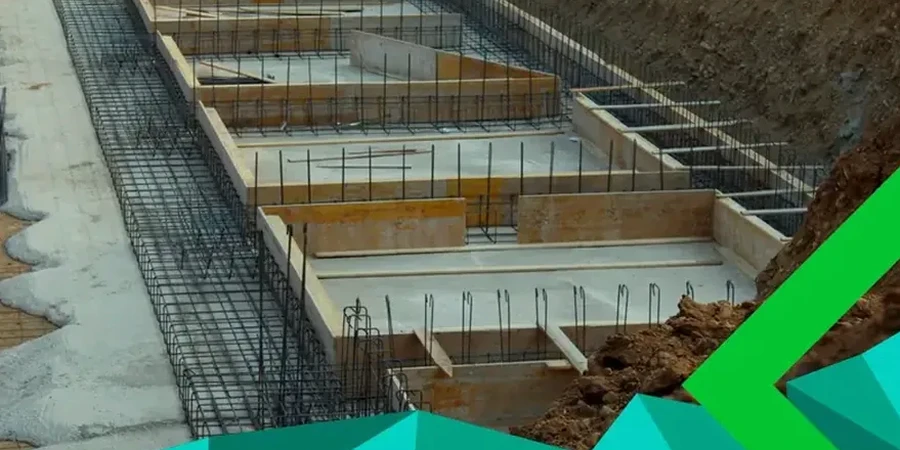
Foundation work in Cambridge falls under the Ontario Building Code (OBC), which adopts the National Building Code of Canada with provincial amendments. Part 4 of the OBC governs structural design, referencing CSA A23.3 for concrete foundations and CSA S16 for steel. Critically, Section 9.12 addresses shallow foundations for houses and small buildings, specifying minimum footing depths of at least 1.2 metres below finished grade to achieve frost protection in this region. For commercial or industrial projects, a geotechnical investigation is mandatory under OBC Article 4.2.4.1. This report, prepared by a licensed professional engineer, must characterize soil bearing capacity, settlement potential, and groundwater conditions before any foundation type is selected.
The types of projects that demand careful foundation engineering in Cambridge are diverse. Residential subdivisions in expanding neighborhoods like Hespeler and Preston often contend with variable clay tills, requiring lot-specific footing inspections. Multi-storey mixed-use buildings in the Galt core, with their heavier column loads, frequently rely on deep foundation systems where shallow soils are inadequate. Infrastructure such as bridges, retaining walls along the Grand River, and industrial facilities with vibrating machinery also impose strict limits on total and differential settlement. In each case, the choice between spread footings, raft slabs, or driven piles hinges on a thorough understanding of the site-specific ground profile.
Available services
Common questions
What are the main types of foundations used in Cambridge, Ontario?
The two broad categories are shallow and deep foundations. Shallow options include strip footings, pad footings, and raft slabs, typically used where competent soil is within 1.2 metres of grade. Deep foundations, such as driven steel piles or drilled concrete shafts, transfer loads to deeper, more competent strata or bedrock. The selection depends on the geotechnical investigation results, structural loads, and proximity to the Grand River's floodplain and high groundwater areas.
How does the local soil in Cambridge affect foundation design?
Cambridge's geology is dominated by glacial till and silty clay, with pockets of sensitive clay that can experience significant strength loss if disturbed. Seasonal frost penetration and variable groundwater tables, especially near the Grand River, add complexity. These conditions often require deeper frost protection, drainage considerations, and sometimes soil improvement techniques to achieve adequate bearing capacity and limit settlement.
What regulations govern foundation construction in Cambridge?
All foundation work must comply with the Ontario Building Code (OBC). Part 9 covers prescriptive requirements for houses and small buildings, while Part 4 governs engineered designs for larger structures. A geotechnical report prepared by a Professional Engineer is mandatory for most commercial projects under Article 4.2.4.1. The City of Cambridge also enforces local zoning by-laws and may require permits for excavation and dewatering activities.
When is a deep foundation system necessary instead of a standard footing?
Deep foundations become necessary when shallow soils lack sufficient bearing capacity, when total settlement or differential settlement would exceed structural tolerances, or when high groundwater complicates shallow excavation. In Cambridge, projects near the river, on filled ground, or on sensitive clay deposits often require piles to reach stable bedrock or dense till. Heavy column loads from multi-storey structures also routinely demand deep foundation solutions.