Underground excavations in Cambridge, Ontario, encompass the full spectrum of geotechnical engineering required to safely create and maintain subterranean openings. This category covers everything from initial site investigation and design through to construction monitoring and long-term performance assessment. The importance of specialized underground excavation expertise in Cambridge cannot be overstated, given the city's ongoing infrastructure renewal, downtown intensification, and the expansion of residential and commercial developments that frequently require basements, parking structures, and utility tunnels. A thorough understanding of local ground behaviour is essential to mitigate risks such as ground settlement, heave, or collapse, which can have severe consequences for adjacent structures and public safety.
Cambridge is situated within a region characterized by complex glacial geology, including the Waterloo Moraine and areas underlain by the Guelph Formation dolostone. Near-surface conditions often feature interbedded deposits of clay, silt, sand, and gravel, with competent bedrock typically encountered at varying depths. The presence of high groundwater tables, particularly in areas adjacent to the Grand and Speed Rivers, adds a critical dimension to any underground excavation project. Effective dewatering and groundwater control are frequently the deciding factors between a successful excavation and a problematic one. This variability demands rigorous geotechnical investigations to characterize the specific stratigraphy and hydrogeological conditions at each site, moving beyond generalized assumptions.
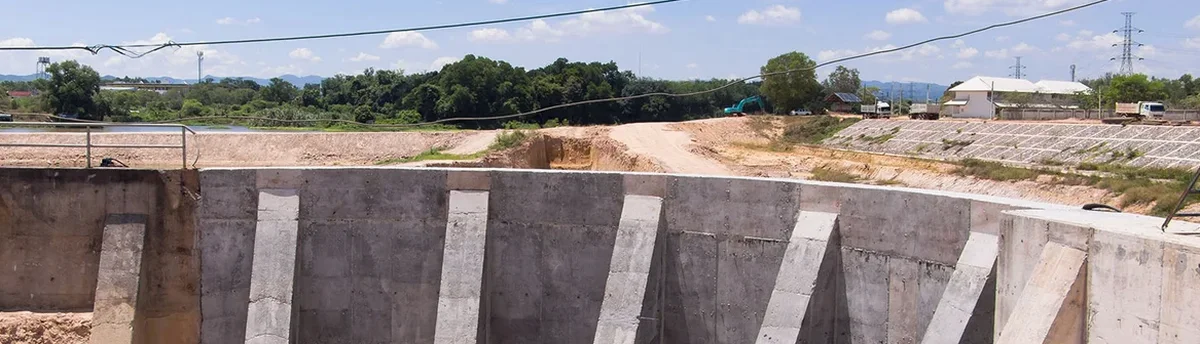
All underground excavation work in Ontario is governed by stringent regulations, most notably the Occupational Health and Safety Act (OHSA) and its associated Regulations for Construction Projects (O. Reg. 213/91), which mandate specific requirements for trenching, shoring, and protective systems. The Ontario Building Code (OBC) also provides critical design criteria for deep foundations and earth retention systems. Professional practice must align with guidelines from the Professional Engineers Ontario (PEO) and recognized standards such as the Canadian Foundation Engineering Manual. A core regulatory requirement is the mandatory pre-construction engineering design and the ongoing involvement of a qualified professional engineer to inspect and certify the stability of excavations, ensuring compliance with these legal and safety frameworks.
The types of projects requiring underground excavation services in Cambridge are diverse. They range from deep basement construction for multi-story condominiums and commercial towers, which often necessitate sophisticated geotechnical design of deep excavations, to the installation of municipal combined sewer overflows and stormwater management tanks. Trenchless technology projects, such as microtunneling for utility placement beneath roadways and river crossings, rely heavily on geotechnical analysis for soft soil tunnels to predict ground response and optimize tunnelling parameters. Critical enabling works like underpinning adjacent heritage buildings during excavation are another key application. Throughout all these activities, continuous geotechnical excavation monitoring is non-negotiable to track ground movements, pore water pressures, and structural loads, allowing for real-time design adjustments and the verification of performance.
Common questions
What are the key geotechnical risks associated with underground excavations in Cambridge, Ontario?
The primary risks stem from the region's variable glacial geology, including unexpected boulders, flowing sands, and soft clay lenses. High groundwater tables, especially near the Grand and Speed Rivers, can cause instability or basal heave. The main risks are ground loss leading to settlement, damage to adjacent utilities and heritage buildings, and excavation wall collapse. A thorough pre-construction investigation and robust monitoring program are essential to manage these hazards.
Which Ontario regulations govern the design and safety of underground excavations?
The primary regulation is the Occupational Health and Safety Act (OHSA), specifically Ontario Regulation 213/91 for Construction Projects, which sets strict requirements for soil classification, shoring systems, and entry into excavations. The Ontario Building Code (OBC) governs the structural design of permanent earth retention systems. A professional engineer must be engaged to design and inspect the excavation, ensuring compliance with these legally enforced safety standards.
What is the typical process for a geotechnical investigation before an underground excavation project?
The process begins with a review of existing geological data and a subsurface investigation involving boreholes drilled to depths relevant to the excavation. In-situ tests and laboratory analysis of soil and rock samples characterize strength, stiffness, and permeability. Groundwater monitoring wells are installed to understand aquifer systems. This data is used to develop a geotechnical model, which then informs the selection of excavation methods and the detailed design of support systems.
Why is continuous monitoring critical during underground excavation work?
Continuous monitoring provides real-time data on ground movements, vibration, and groundwater levels, allowing engineers to verify that the excavation is behaving as predicted. It serves as an early warning system to detect potential instability or excessive settlement that could endanger workers or adjacent infrastructure. This data enables the project team to make timely design modifications, such as adjusting dewatering or installing additional support, ensuring safety and preventing costly damage.